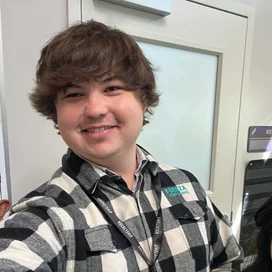
We start by listening
Before any academic work, we learn who your student is and how they see themselves.
The first sessions are low-pressure conversations: sharing interests, going on tangents, responding to prompts that take the pressure off. Underneath, we’re observing how your student actually functions and comparing that to how they see themselves. A capable student who doesn’t believe it looks very different from one who genuinely needs skill-building.
What we’re actually assessing
We call this passive diagnostics: learning about a student through natural interaction rather than formal testing. Research in Self-Determination Theory identifies three foundations that shape whether a student is motivated to learn: competency, independence, and connectedness. We observe all three in real time.
But here’s what most approaches miss: we’re also listening for how the student perceives those same three things (their own sense of ability, autonomy, and belonging). Those two pictures often don’t match. A student might be highly capable but convinced they’re not. Or fiercely independent in some areas while completely dependent in others. Or socially connected at home but isolated at school. The gap between what’s real and what they believe is where the most important work begins.
We’re also searching for curiosity: what lights up when nobody’s watching, what questions they ask when they don’t think it counts. Curiosity is the thread that connects to everything else.